In 2026 the gap between a PWA and a native app has closed significantly. For most SMEs, paying €30,000 for an app no longer makes sense.
Three years ago, when a client asked us for "an app for my business", the conversation always started at the same point: iOS or Android, App Store or Play Store, Swift or Kotlin. Today that conversation starts differently: what exactly do you need it for? Because depending on the answer, a native app might be the most expensive and unnecessary thing you could do.
What a PWA can do in 2026 that it could not before
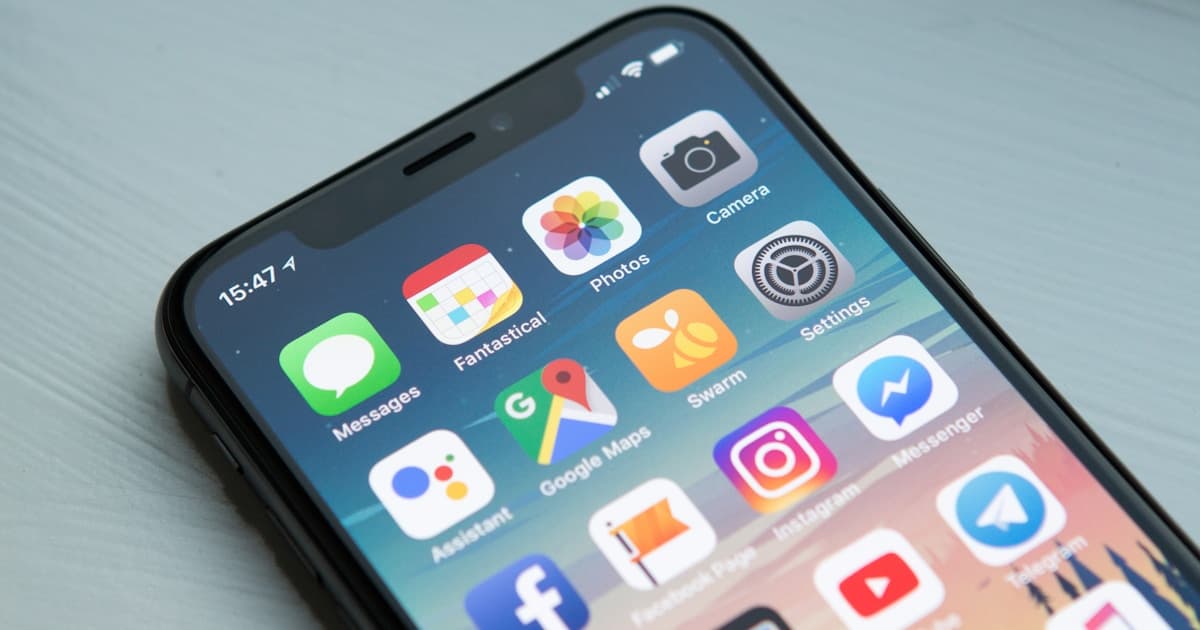
A Progressive Web App is basically a website that behaves like an app. It installs from the browser, appears on the mobile home screen, works offline and can send push notifications. In 2026 iOS support is now complete for most of these features, something that two years ago still had friction.
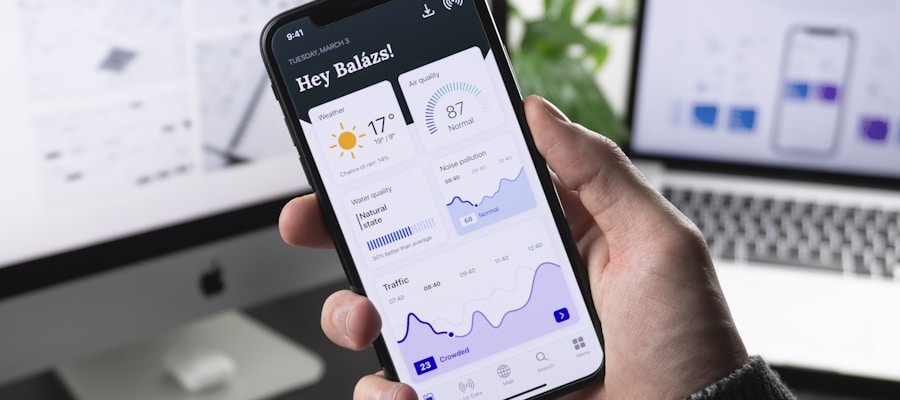
What a PWA can do today: push notifications on iOS and Android, access to camera and gallery, GPS and geolocation, payments with Apple Pay and Google Pay, offline operation with cached data, installation without going through any app store.
What is still exclusive to native apps
There are use cases where native apps still win without argument. If your app needs deep access to device hardware (Bluetooth, NFC, advanced sensors, augmented reality), native apps have access to APIs that a website does not. If your business model depends on in-app subscriptions (and the 30% Apple takes works for you), it also makes sense. And if your user community opens the app 5 or more times a day, the native experience is still smoother.
The real cost table
Native iOS + Android app: between €15,000 and €50,000 in initial development, plus annual maintenance of €3,000 to €8,000 for operating system updates and bug fixes. If you want to be on both platforms with native quality, you are practically paying for two apps.
PWA: between €3,000 and €8,000 depending on functional complexity. Much lower annual maintenance because it is a website — no App Store updates to review or iOS versions breaking something.
No-code solution (Glide, Adalo, FlutterFlow): between €1,500 and €4,000 for simple cases. It has real limitations in terms of customisation and performance, but for an internal management app or a product catalogue without complex logic it can be the most sensible option.
When a PWA is enough for your business
If your business is local and you need an app for reservations, orders, basic loyalty or information lookup, a PWA does the job at 95% less cost than a native one. The sectors where we see this most in Spain: restaurants with digital menus and orders, clinics and beauty centres with online bookings, academies with content access, stores with catalogue and cart.
The question you need to ask yourself is simple: how many times a day will your customers use this, and what specific hardware features do you need? If the answer is "fewer than 3 times a day" and "none in particular", start with the PWA. You can always make the jump to native when the volume and business case justify it.
We build both: mobile apps in Madrid has the detail on how we approach each case and how long it takes to get something into the app store.
Have a project in mind?
Tell us what you want to achieve.