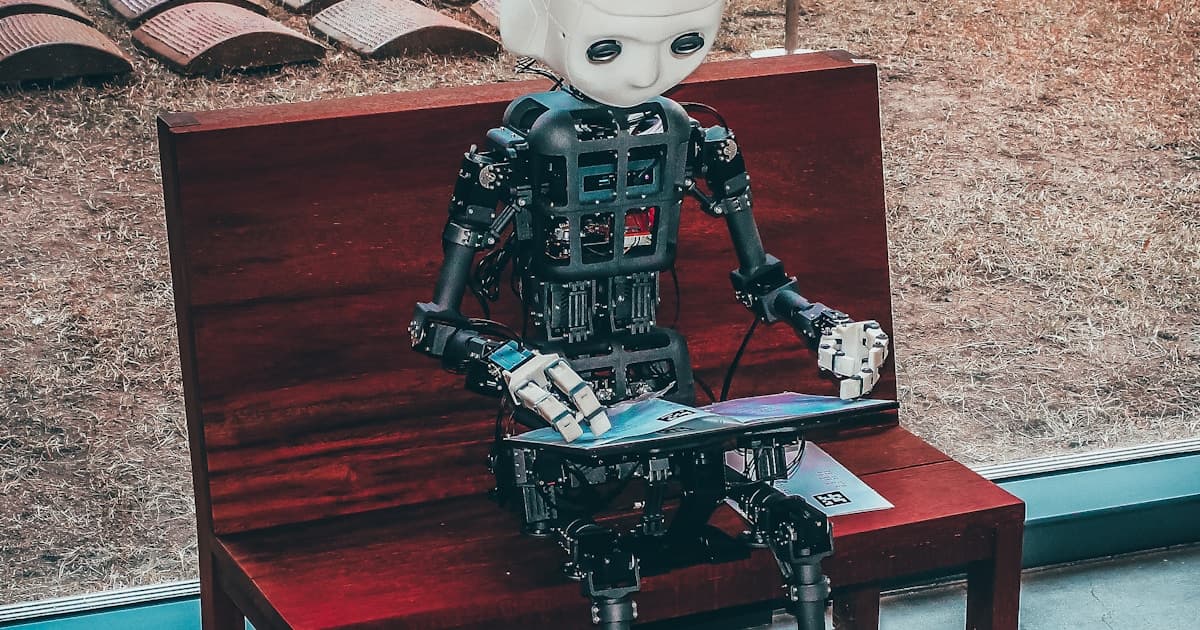
Google has given its AI long-term memory and full connection to its services. This changes how businesses should think about their websites.
Google has just updated Gemini Live with two game-changing capabilities: persistent memory across conversations and direct access to Gmail, Calendar, Drive and Maps. It is no longer an assistant that forgets everything when you close the app. Now it knows who you are, what you do and what you have pending.
What has changed exactly
Until now, every conversation with Gemini started from scratch. You asked, it answered, and the next day it remembered nothing. With the new long-term memory, the assistant accumulates context about you: your preferences, your projects, the topics that interest you. This is the same leap ChatGPT made with its memory, but with the advantage that Google connects it directly to its entire ecosystem.
The Gmail integration means it can remind you of a meeting you received by email. The Calendar one means it organises your week without you having to explain who you are again. The Maps one means it knows where you live and work. The sum of all this is an assistant that for the first time seems to actually know the user.
What this means if you have a website or online store
The most immediate change is in user expectations. If Google's AI already gives them personalised, contextualised and frictionless answers, they will compare that experience with your website. And if your website is still static, generic and without any personalisation, the contrast will be stark.
This does not mean you need to add AI to your website tomorrow. It means the bar for what counts as a good user experience has just been raised. The websites that convert in 2026 are not the prettiest ones, they are the most relevant ones for the visitor.
The impact on customer service chatbots
Many businesses already have a basic chatbot on their website: it answers FAQs, captures leads, redirects to WhatsApp. With models like Gemini capable of maintaining context between sessions, that type of chatbot is starting to become obsolete. The new standard is an assistant that remembers the customer already asked about that service last week and offers follow-up, not a generic response.

The real opportunity for SMEs
Google has democratised something that two years ago only large companies could afford: a 24/7 sales assistant that knows the customer's context. The cost of implementing something like this on a custom website has dropped dramatically in the past year.
This is not about jumping on the AI trend. It is about understanding that your competitors who do implement it will have a concrete and measurable advantage in conversion. The question is no longer "do I need AI on my website?" but "when do I add it and how do I integrate it well?"
What we recommend at Codelvia
Before adding any AI layer, make sure the fundamentals are solid: a fast, clear website with a defined conversion funnel. AI amplifies what already works, but does not fix what is broken. Once you have that foundation, integrating an assistant with memory and context goes from being a luxury to a real competitive advantage.
Have a project in mind?
Tell us what you want to achieve.